Empowering Patients: Navigating the Latest Breakthroughs in Oncology and Cancer Treatment
When faced with a diagnosis of carcinoma, it can often feel like navigating a labyrinth with no clear exit in sight. The world of oncology—encompassing an array of treatment options from chemotherapy to immunotherapy—may appear overwhelming at first. Yet, knowledge is power, and familiarizing ourselves with innovative treatment options can illuminate the path to a healthier life. Have you ever wondered how these advancements can empower patients, leading to better outcomes and survivor stories that inspire us all?
Let’s dive deeper into the three cornerstones of cancer treatment: chemotherapy, radiation therapy, and immunotherapy. Chemotherapy, often the first line of defense, involves the use of powerful drugs to target malignant cells. While effective, it's crucial to be aware of possible side effects, such as fatigue and nausea, which can have a significant impact on quality of life. This is where patient advocacy comes into play—being informed helps you manage symptoms better and engage in discussions about palliative care and supportive therapies to enhance your wellness journey.
On the other hand, radiation therapy utilizes high-energy waves to shrink tumors and eliminate neoplasia. Visualize it as a precision tool, carefully focused to dismantle the cancer while minimizing damage to healthy tissue. As you explore treatment options, consider connecting with support groups that share insights about their experiences. The stories of others can provide not only information but also emotional connection and psychosocial support, creating a network of community support that can help you navigate the ups and downs of treatment.
The latest findings in medical research have ushered in the age of immunotherapy—an innovative approach that harnesses the body’s own immune system to combat malignancy. This revolutionary treatment has catalyzed a wave of optimism in the oncology community. However, as with all therapies, the effectiveness can vary. Clinical trials are constantly being conducted to evaluate new drugs, and engaging with healthcare professionals about available trials can lend you access to cutting-edge treatments—even if traditional methods have not been sufficient.
As you contemplate your journey through cancer treatment, remember that lifestyle changes and nutrition play a vital role too. They form the foundation for a comprehensive wellness plan. Integrating preventive care and evidence-based resources can empower you to feel more in control of your health. Have you considered how your daily routines impact your recovery? The insights gained from survivor stories can shed light on coping mechanisms, making it easier for you to embark on lifestyle adjustments that work for you. Let us embrace this era of innovation in oncology together, staying informed and proactive along the way.
Empowering Survivors: Real Stories and Community Support in Cancer Journeys
In the journey of facing cancer, the stories of survivors become powerful testaments to the resilience of the human spirit. These survivor stories not only inspire hope but also shed light on the critical role of community support in navigating the vast world of oncology. From the moment a diagnosis of malignancy such as carcinoma is received, patients find themselves on a tumultuous road. By sharing their experiences, survivors empower others to seek information, advocate for their health, and benefit from the latest findings in medical research.
Imagine sitting in a doctor’s office, the weight of the world on your shoulders, as the news of a cancer diagnosis washes over you. What next? This pivotal moment defines the beginning of a long road filled with various treatment options like chemotherapy, radiation therapy, and newer strategies involving immunotherapy. Each choice comes with its own set of side effects and challenges. Survivors often share how they approached the first days post-diagnosis - what they felt, how they communicated with their healthcare providers, and the vital importance of symptom management during treatment.
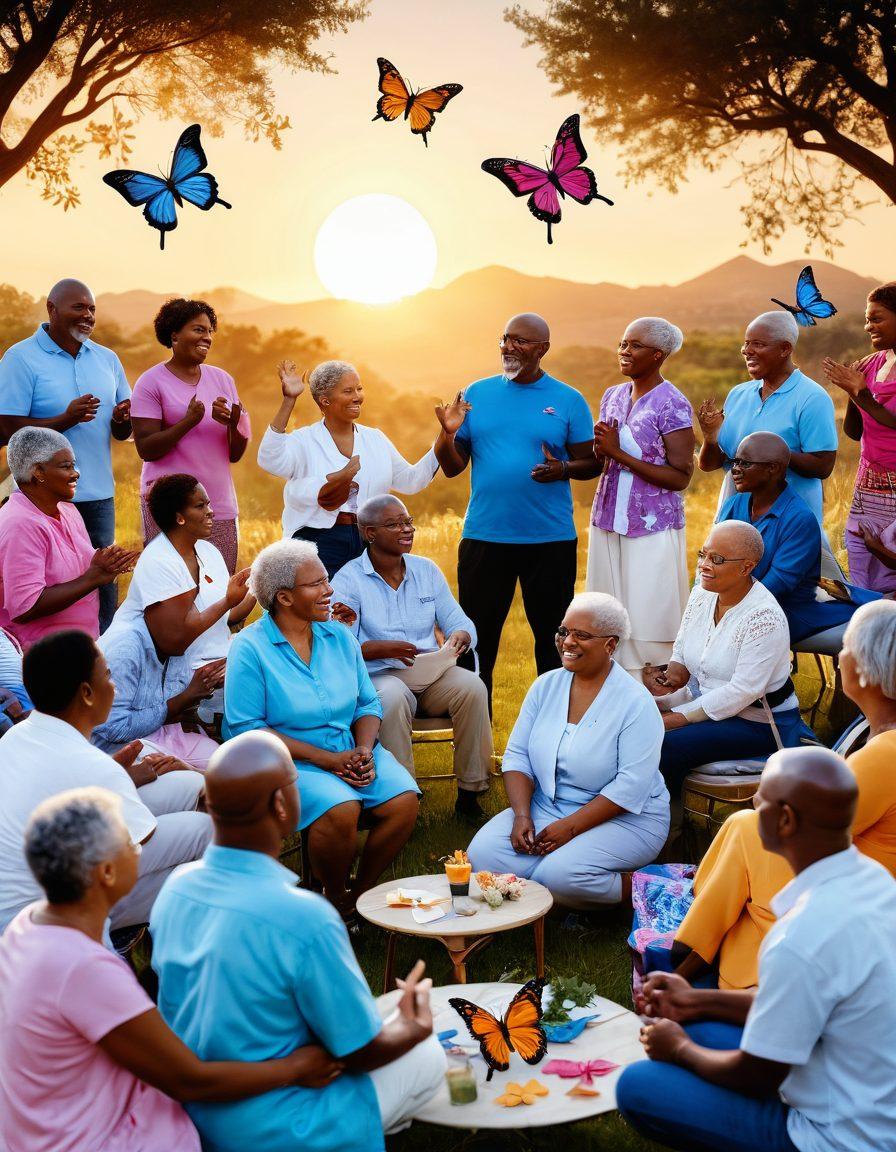
Consider this: wouldn’t it be amazing to have a community that supports you through the darkest times and celebrates every small victory? That’s where support groups come into play. Many survivors have found strength in shared experiences and knowledge, emphasizing the need for psychosocial support as an essential part of their journey. Engaging in activities such as community events, informational resources, and advocacy efforts not only aids in personal healing but also raises cancer awareness, paving the way for others.
Nutrition and lifestyle changes often become pivotal elements in survivors’ lives. They learn how certain foods can enhance their wellness and how preventive care measures can work wonders in reducing recurrence chances. Regular screening and diagnosis can catch potential issues early, allowing for a proactive approach in battling neoplasia. Survivors frequently express how small changes in their daily habits have led to significant shifts in their overall health—both during and after treatment.
Ultimately, the stories of resilience exemplified by survivors give all of us hope. They transform clinical trials into personal milestones, making medical research feel tangible and relevant. As a community, we must continue to share these narratives, not just to celebrate survival, but to inspire and empower others who may feel alone in their fight against cancer. In embracing our shared experiences, we not only uplift ourselves but also reinforce the healing power of connection and support in this ongoing journey.
From Diagnosis to Wellness: Exploring Preventive Care and Symptom Management Strategies
Imagine waking up one day and finding out you have carcinoma. The news can be as shocking as it is overwhelming, thrusting you into a whirlwind of diagnoses, treatment options, and an avalanche of information. But in this age of rapid advancements in oncology, navigating the complex landscape of cancer treatment—from preventive care to symptom management—is more achievable than ever. Each journey is unique, filled with personal stories of resilience and hope, reminding us that there is strength in sharing experiences and knowledge, and that you are not alone in your battle against malignancy.
The world of oncology is constantly evolving, with breakthroughs emerging from medical research that hold promise for patients and their loved ones. Preventive care is at the forefront of these advancements, emphasizing the importance of early detection. Screening plays a pivotal role in identifying neoplasia in its infancy, paving the way for timely intervention. As experts often say, "An ounce of prevention is worth a pound of cure." By taking proactive steps towards cancer awareness, patients can reclaim some control over their health. Have you considered how lifestyle changes, like nutrition and exercise, could play a part in your preventative strategy?
Symptom management strategies are equally essential in a patient’s journey. The side effects of chemotherapy, radiation therapy, or immunotherapy can sometimes feel overwhelming. But integrating palliative care can help ease these burdens and improve quality of life. Support groups can become a lifeline, providing psychosocial support and a safe space to share struggles and triumphs. It's a reminder that behind every clinical trial and cancer treatment option, there are human stories—stories of those who have walked the path and come out stronger. What resources have you found helpful in connecting with others who understand?
In recent years, the surge of community support initiatives has transformed the way patients advocate for themselves. Patient advocacy has become an integral part of the healthcare ecosystem, with individuals encouraged to speak up about their treatment options and experiences. This newfound voice is empowering and crucial, especially when facing daunting decisions about clinical trials or alternative therapies. Additionally, engaging with informational resources not only helps patients stay informed but fosters a deeper understanding of their diagnosis and available treatments. What questions do you have about the latest findings in oncology?
Ultimately, the journey from diagnosis to wellness calls for an integrated approach, blending medical expertise with personal empowerment. It’s about embracing survivor stories and allowing them to inspire your path. Whether you’re currently navigating treatment, in the aftermath of recovery, or supporting someone in their journey, remember: wellness is not just the absence of disease—it's about thriving in every aspect of life. Taking charge of your healthcare, leaning on community support, and being a staunch advocate for your needs can pave the way for a brighter future. How might you take the first step today towards a healthier, more informed tomorrow?